



Most people enjoy a draught beer without thinking about the journey it has taken to reach the glass. It arrives cold, fresh, and topped with a creamy head, yet every pint represents more than a century of brewing innovation. The History of Draught Beer in South Africa is filled with advances in science, engineering, and craftsmanship that changed the way people experience beer. Many of the techniques used today were developed to solve problems that brewers faced long before modern refrigeration and stainless-steel kegs existed.
Beer Looked Very Different In The Early Days
Commercial brewing in South Africa dates back to the nineteenth century when growing towns created demand for locally produced beer. Early breweries relied on wooden casks because metal kegs had not yet become the industry standard. These casks worked well for transport, yet they also created challenges. Wood absorbed moisture, allowed tiny amounts of oxygen inside, and required constant maintenance to prevent leaks and contamination. Keeping beer cool presented an even bigger challenge. Mechanical refrigeration had not yet reached breweries, so many producers stored beer in underground cellars, where thick stone walls helped maintain lower temperatures. Some breweries even imported blocks of natural ice by ship before reliable ice-making equipment became available. Beer remained drinkable, although warm weather shortened its shelf life and made long-distance distribution difficult.
A Cold Revolution Changed South African Brewing
Everything changed when refrigeration became commercially available during the early twentieth century. Breweries could now control fermentation temperatures with far greater precision, producing beer that tasted the same year-round. Consistency became one of the industry's greatest achievements because customers expected every glass to match the last one. Improved cooling also allowed breweries to distribute beer across much larger parts of South Africa. Towns that previously depended on local production could now receive fresh deliveries from larger breweries. This expansion helped draught beer become a familiar sight in pubs throughout the country instead of remaining a regional speciality.
Why Stainless-Steel Kegs Replaced Wooden Barrels
Wooden barrels eventually gave way to stainless-steel kegs, and that decision transformed draught beer forever. Unlike wood, stainless steel does not absorb flavours or allow oxygen to seep through its surface. Beer stays fresher for longer because the sealed keg protects it from light, air, and bacteria. Many people assume the tap creates the flavour of draught beer, although the keg plays a much bigger role. Every keg leaves the brewery under pressure, allowing carbon dioxide to remain dissolved inside the beer until it reaches the glass. That pressure protects delicate aromas that would disappear if oxygen entered the container.
The Secret Most People Never See
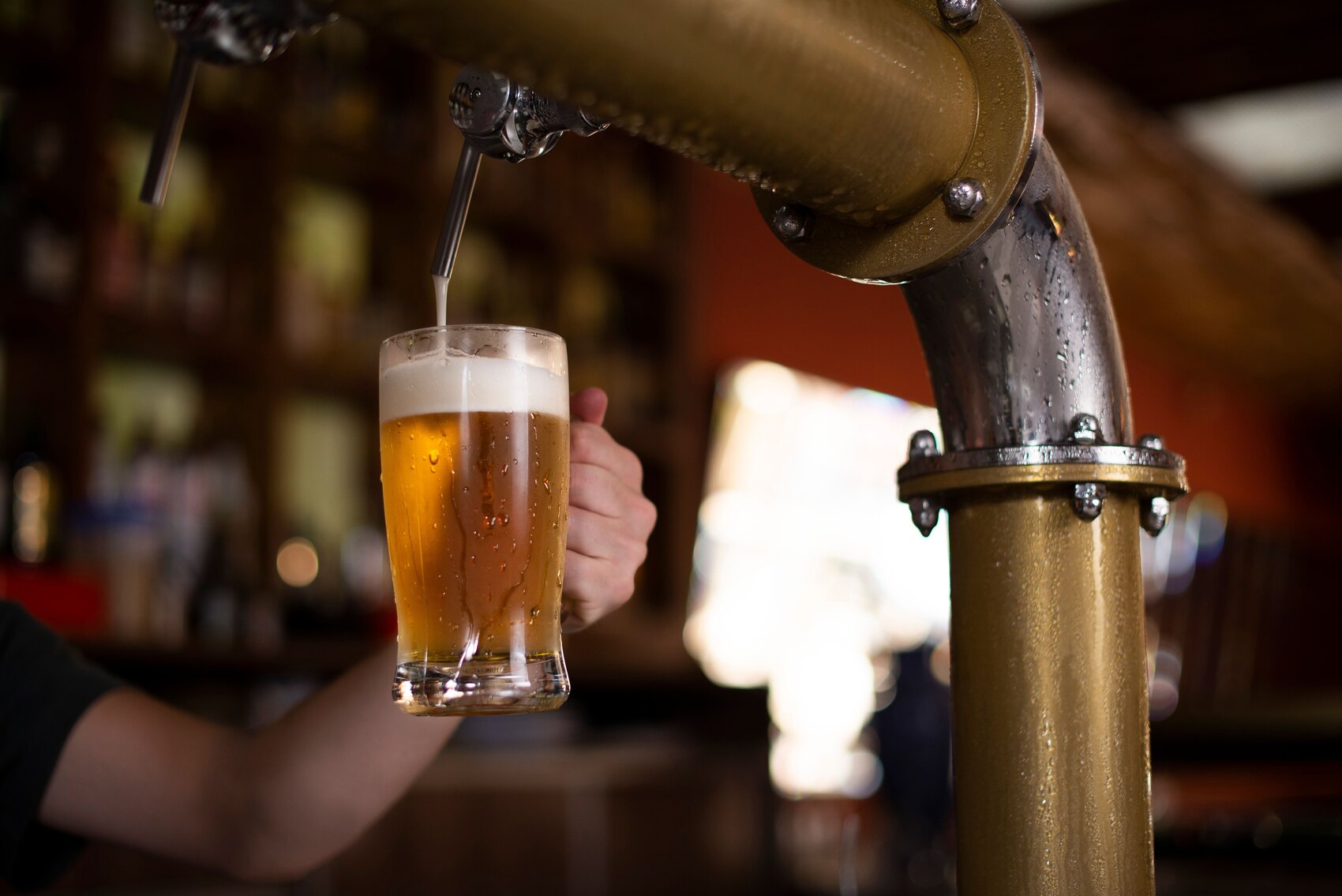
A perfectly poured draught depends on much more than the beer itself. Every pub maintains a network of beer lines that connect the keg to the tap. These lines require regular cleaning because minerals naturally found in beer form hard deposits known as beer stone. Brewers and pub owners remove these deposits before they affect flavour or create places where unwanted microorganisms can grow. Serving temperature also matters more than many people realise. Beer that becomes too warm releases carbon dioxide too quickly, creating excessive foam and reducing its crisp finish. Beer served too cold loses much of its aroma because lower temperatures suppress the natural compounds responsible for flavour. Finding the right balance allows every ingredient to shine. Glassware deserves just as much attention. Professional pubs avoid polishing beer glasses with cloths because tiny fibres or traces of grease can destroy the foam within seconds. Instead, glasses receive specialised cleaning before air-drying naturally. That simple step helps create the thick, lasting head many beer lovers appreciate.
South Africa's Draught Culture Continues To Grow
South Africa's beer industry continues to evolve as independent breweries introduce new styles alongside long-established favourites. Modern brewing equipment allows producers to experiment with different hop varieties, malts, and yeast strains while maintaining exceptional consistency. Draught beer remains popular because it delivers the brewery's intended flavour with minimal exposure to oxygen or light before serving. Despite all the technological advances, the reason people order a draught has hardly changed. A fresh pint still brings people together after work, during live sport, or over a relaxed meal with family and friends. Good beer has always been about more than what fills the glass. It creates moments that people remember long after the last sip. The next time you enjoy a draught, remember the craft and care behind every pour. At The Highway Pub, we’re proud to serve fresh pints in a welcoming setting. Join us and experience the tradition for yourself.
