

Step into a modern bar and almost everything feels effortless. Drinks arrive cold, bartenders move confidently behind the counter, and the space encourages people to stay a little longer. None of that happened by chance. Bar design has changed dramatically over the past century as each generation has found better ways to improve service, protect drinks, and make customers feel welcome. Many of the features people hardly notice today solved practical problems that once challenged every public house.
When bars were built for hard work
A century ago, bars looked very different from the welcoming spaces many people enjoy today. Most owners built them around efficiency because serving customers quickly mattered more than creating a relaxed atmosphere. Long timber counters stretched across the room, allowing bartenders to reach dozens of customers without leaving their position. Shelves climbed almost to the ceiling because expensive bottles needed secure storage within easy reach. One feature from those early bars still survives today. Brass foot rails first appeared during the late nineteenth century, not as decoration but as a practical solution for customers standing at the counter. Resting one foot on the rail reduced fatigue during long conversations, while the brass itself resisted rust and survived constant use. Many modern bars still include foot rails because that simple idea has never stopped working.
Light transformed more than the atmosphere
Early bars often relied on daylight filtering through small windows or on gas lamps that produced a warm but uneven glow. Mirrors became popular because they reflected every available source of light, making interiors appear brighter without adding extra lamps. They also allowed bartenders to keep an eye on activity throughout the room while continuing to serve customers. Electric lighting changed bar interiors completely. Designers suddenly had the freedom to highlight bottle displays, brighten workspaces, and create inviting spaces where people felt comfortable spending an evening. Lighting soon became part of the overall experience rather than simply a way to see in the dark.
The cold drink revolution
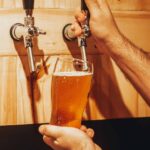
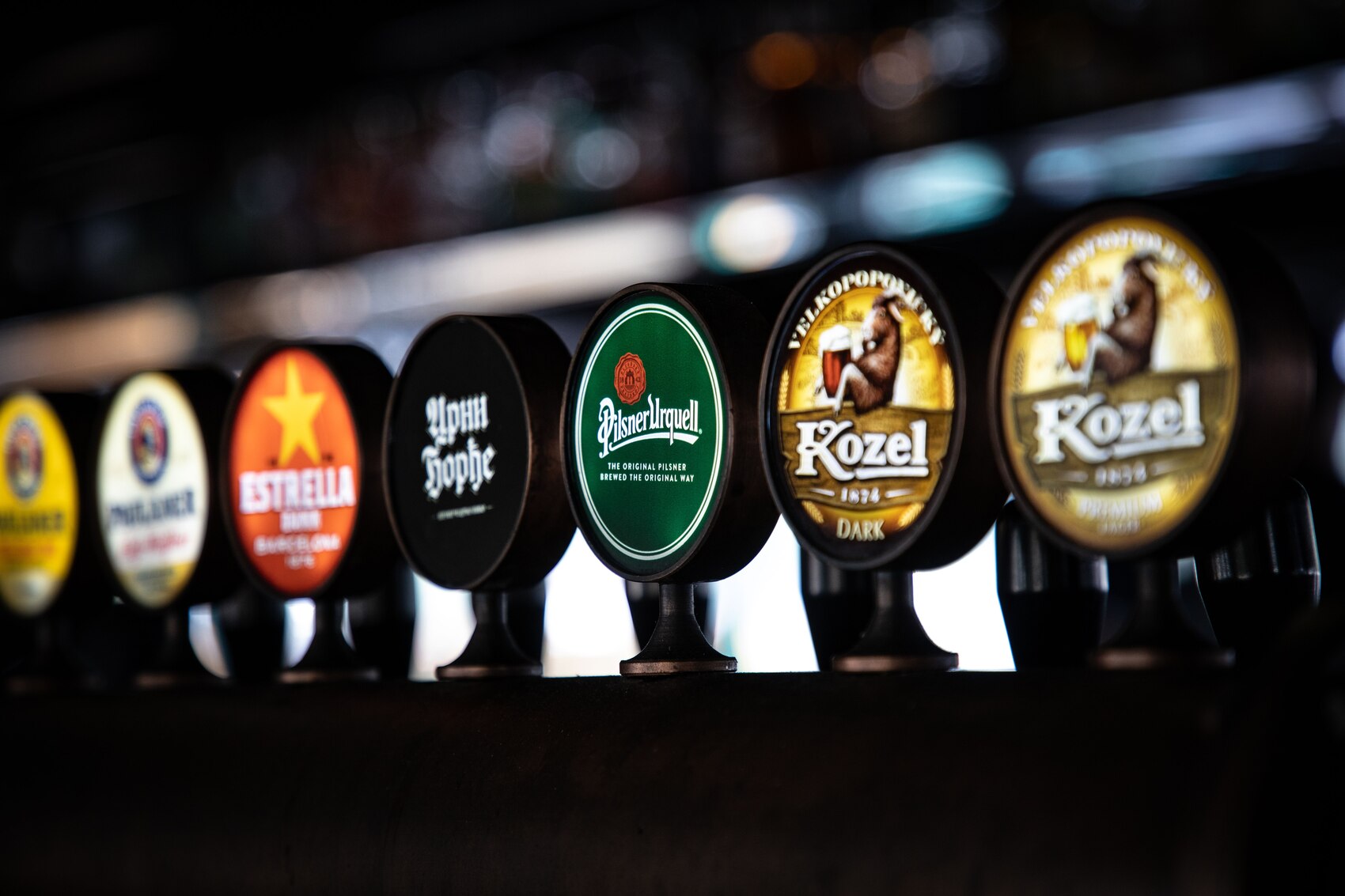
Keeping drinks cold challenged publicans for generations. Before mechanical refrigeration became widely available, many bars stored beer and other beverages in underground cellars where thick walls slowed rising temperatures. Some businesses even relied on large blocks of natural ice, delivered daily, to keep drinks cool during the warmer months. Everything changed once compact refrigeration systems became reliable enough to fit behind the bar. Cold storage moved closer to where drinks were served, allowing bartenders to work more efficiently while keeping beer at a consistent temperature. Draught systems improved alongside refrigeration, giving breweries greater control over how every pint reached the customer. These advances helped create the fresh, consistent drinking experience people now expect.
The layout became part of the experience
As bars evolved, owners realised that people visited for more than a drink. Friends gathered after work, families stopped for meals, and travellers looked for places where they could relax before continuing their journey. The layout had to support those changing habits. Designers widened walkways so staff could move freely during busy service without interrupting conversations. Seating shifted away from rigid rows, allowing small groups to gather naturally while still leaving room for larger crowds. Even the shape of the counter changed in many establishments because gentle curves encouraged interaction between customers and bartenders instead of creating a physical barrier. Behind the scenes, another quiet change made a remarkable difference. Many modern bars organise equipment, refrigeration, glassware, and storage so that staff can complete most tasks within only a few steps. Hospitality designers often refer to this as reducing unnecessary movement, helping bartenders serve customers faster while maintaining consistent service throughout the day.
Good design is often the design you never notice
The best bar design rarely demands attention because everything works together so naturally. Comfortable seating invites people to stay, thoughtful lighting creates the right atmosphere, and well-planned workspaces help staff focus on guests instead of searching for equipment. Most customers never think about these details, although they notice immediately when something feels awkward or out of place. That quiet success comes from more than a hundred years of refinement. Each generation kept the ideas that worked and improved the ones that did not. The result is a modern bar that feels welcoming without trying too hard. The next time you visit The Highway Pub, take a moment to look beyond the food and drinks. Notice how the counter brings people together, how the lighting creates a relaxed setting, and how smoothly service flows even when the pub is busy. Those details tell a story that began more than a century ago, and they continue to shape every visit today.
