


Why some drinks cost more than others becomes clear once you look beyond the menu board and into how drinks actually get made, moved, and served. Pub pricing reflects more than taste; it connects directly to production systems, logistics, and preparation effort. Many customers assume size or brand alone explains cost differences, but the real structure runs much deeper. At a pub like The Highway Pub, pricing follows operational reality rather than surface appearance.
Ingredient sourcing changes everything.
Ingredients drive price more than most people expect. Some drinks use base ingredients that travel through multiple suppliers; each step adds cost. Citrus, for example, can fluctuate heavily in price due to seasonal yield changes and transport conditions. Spirits that rely on specific grains or botanicals often depend on controlled supply chains; bulk beers use more stable inputs. Even water quality matters in production. Breweries adjust mineral content for flavour consistency; they treat water like an ingredient rather than a filler. That detail alone shifts production costs in ways most drinkers never notice.
Production time creates hidden value.
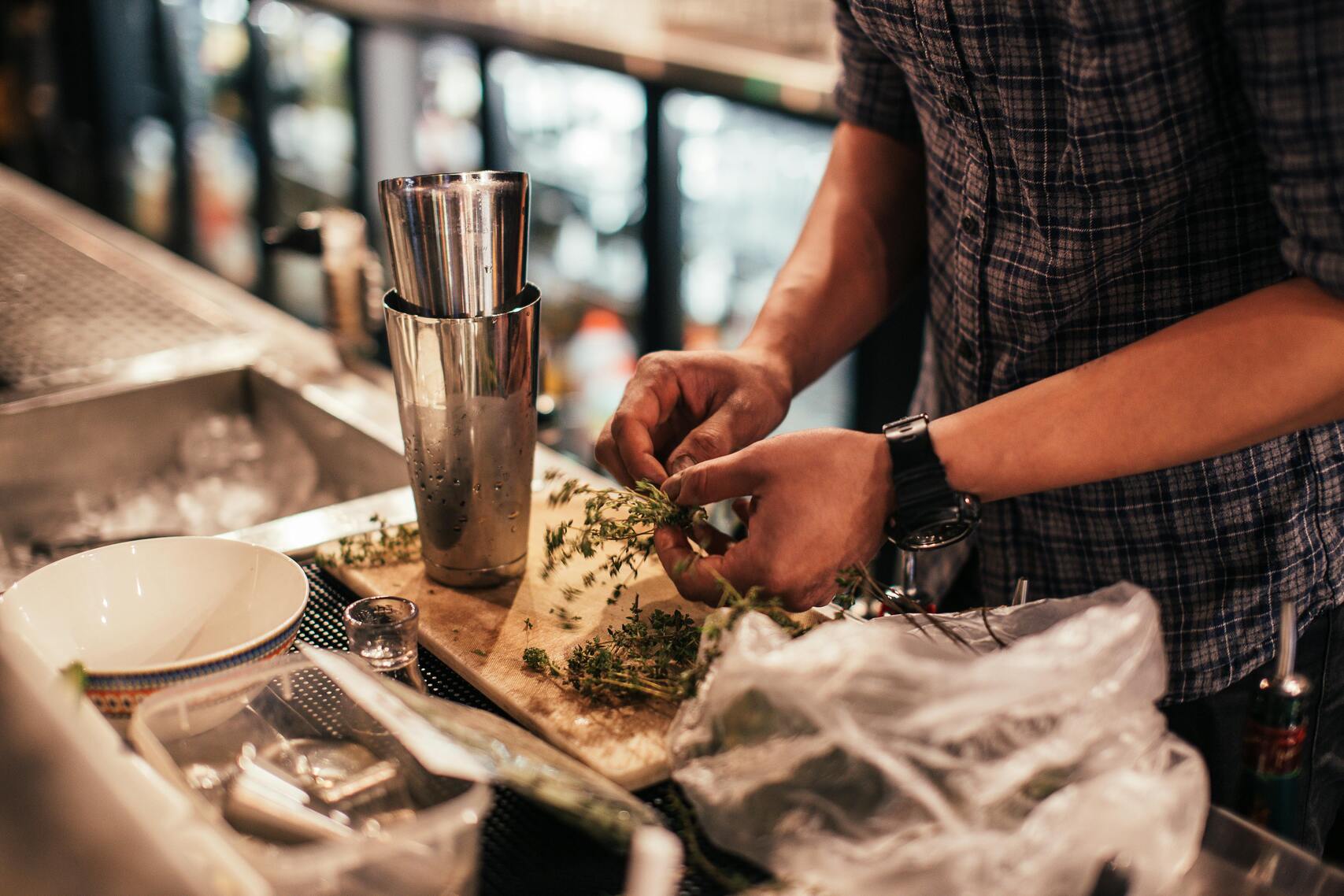
Time directly affects price in ways customers rarely see. A lager can ferment in weeks, a stout or craft beer may take months to mature. Spirits that age in barrels lose volume during storage; producers factor in “evaporation loss” when setting prices. Cocktails add another layer. Bartenders build them in real time, and labour becomes part of the cost structure. A single drink can require multiple measured steps, fresh preparation, and precision timing, which increases service cost per item.
Transport and import pressure the final price
Distance adds cost in layers rather than one simple fee. Imported drinks absorb shipping charges, customs duties, and currency fluctuations. When exchange rates shift, therefore, menu prices often adjust even if the recipe stays identical. Cold-chain logistics also matter for certain mixers and bottled products. Temperature-controlled transport keeps products stable, but it increases overhead significantly. Local drinks avoid many of these steps; they often stay more affordable even when quality matches imported alternatives.
Brand pricing shapes perception.
Brand value influences price even when ingredients stay similar. Companies position certain drinks as premium through marketing, packaging, and limited releases. This strategy creates demand, therefore allowing higher pricing without changing production costs significantly. Smaller craft producers often price higher because they operate at lower volume. They cannot rely on mass distribution; however, they trade scale for uniqueness and tighter control over flavour profiles.
The serving method changes the final cost.
How a drink reaches the table affects its price more than most people realise. Bottled beer requires minimal labour, cocktails need glassware, ice, garnish, and trained preparation. Each added step increases time per order, and it reduces service efficiency during busy periods. Even ice carries a cost. Ice machines consume electricity and maintenance resources; high-volume venues factor that into pricing. Glass breakage also plays a role; it spreads across thousands of servings rather than individual items.
Taxes and alcohol categories influence pricing.
Government duties vary by alcohol strength and category. Stronger drinks often carry higher excise taxes, and spirits usually cost more per unit than beer or wine. These taxes apply before drinks even reach distribution, which means pricing already starts higher at the source level. Regulatory compliance adds another layer. Licensing, storage rules, and reporting requirements all create operational costs that indirectly affect menu pricing.
Extra Factors Most People Miss
Why Some Drinks Cost More Than Others comes down to a combination of production time, sourcing complexity, transport systems, brand strategy, serving effort, and taxation. Once you see these layers, pricing becomes structured rather than random. At a pub like The Highway Pub, each drink reflects a chain of real costs that most customers never see; every sip still carries that full journey.
