


South Africa’s beer culture is rich with tradition, innovation, and a few stubborn misunderstandings. From the taps of Cape Town to small-town shebeens, pub myths often shape how people think about their brews. Let’s clear up some of the most common misconceptions and toast to the truth.
Myth 1: All Local Beers Taste the Same
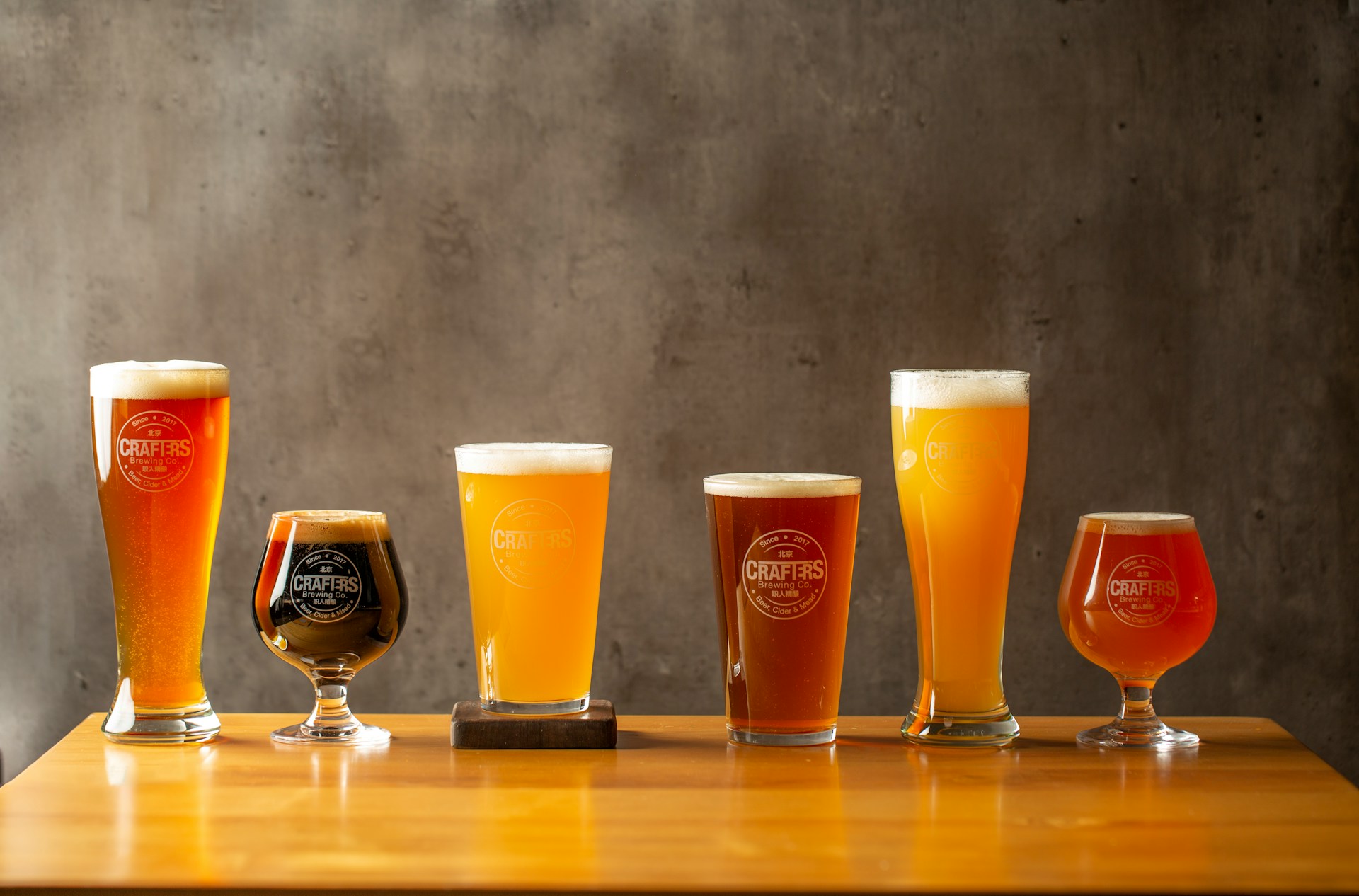
Many drinkers assume South African beers are limited to mass-produced lagers. In reality, the craft scene has exploded. Breweries from Stellenbosch to Durban experiment with ingredients like rooibos, buchu, and local hops. These unique additions create everything from citrusy IPAs to malty amber ales—each offering a distinct profile that reflects regional taste and terroir.
Myth 2: Cold Beer Means Quality Beer
A freezing pint isn’t always the best pint. Many ales and stouts lose flavor when too cold, masking the malt and hop balance. Traditional brewers recommend slightly chilled, not icy, serving temperatures to highlight aroma and texture. The real key to freshness lies in storage and turnover—not frost on the glass.
Myth 3: Dark Beers Are Always Heavy
Dark color doesn’t mean dense or strong. South African porters and mild stouts can be smooth, light, and even refreshing. Roasted malts add color and coffee-like notes, not necessarily more alcohol or thickness. Don’t judge a beer by its hue—try it before assuming it’s too filling for a sunny day.
Myth 4: Craft Beer Is Just a Trend
Craft brewing is more than a passing fad. It’s a return to small-scale craftsmanship, using quality ingredients and eco-friendly practices. Many microbreweries use solar power, recycle spent grain, and support local farmers. These businesses create jobs, foster community, and give beer lovers genuine variety.
Final Thoughts
Clearing up pub myths reveals the real story behind South African beers. Not every golden lager is weak, not every craft beer is expensive, and labels and appearances don’t tell the full story. Recognizing these truths lets you approach your next pint informed, confident, and ready to taste without prejudice.
